Ready to Book an Initial Consult or a Follow Up - Click Here
Thyroid Health
When your symptoms don’t have a simple explanation, a closer look can help.
Fatigue. Brain fog. Changes in weight. Feeling unusually cold or warm. Hair or skin changes. Sleep disruption. Changes in heart rate or mood.
These symptoms can occur with thyroid conditions — but they can also have many other causes.
At Sage Natural Health, we take the time to understand the full picture. Whether you have been diagnosed with hypothyroidism, Hashimoto’s disease, hyperthyroidism or a thyroid nodule, or you’re experiencing symptoms that have not yet been explained, our team can help determine what needs to be investigated and what type of care makes sense for you.
Depending on your needs, care may involve naturopathic medicine, nurse practitioner care, nutrition, laboratory testing, prescription medication, lifestyle support or collaboration with your family physician or a medical specialist.
The goal isn’t to choose between conventional and naturopathic medicine. It’s to use the right tools for the right patient at the right time.
Thyroid Conditions, Symptoms & Concerns We Help With
Hypothyroidism
An underactive thyroid occurs when the thyroid does not produce enough thyroid hormone. It can contribute to fatigue, feeling cold, constipation, dry skin, changes in mood, difficulty concentrating and other symptoms.
Treatment commonly involves thyroid hormone replacement, with the dose monitored through appropriate blood work.
Hashimoto’s Thyroiditis
Hashimoto’s is an autoimmune condition that can cause the thyroid to become underactive over time. Some people have thyroid antibodies before they develop abnormal thyroid hormone levels.
Our role may include helping assess thyroid function, supporting nutrition and lifestyle factors, monitoring symptoms and coordinating care alongside medication or your existing medical team when appropriate.
Hyperthyroidism & Graves’ Disease
An overactive thyroid can cause symptoms such as a racing or irregular heartbeat, heat intolerance, sweating, tremor, anxiety, difficulty sleeping and unintended weight loss.
Hyperthyroidism requires appropriate medical assessment because treatment depends on the underlying cause. Depending on the diagnosis, conventional treatment may include medication, radioactive iodine or surgery.
Thyroid Nodules & Goitre
A thyroid nodule is a lump within the thyroid, while a goitre refers to an enlarged thyroid. Many thyroid nodules are benign, but a new or enlarging neck lump should be assessed appropriately.
Depending on the findings, investigation may include thyroid blood work, ultrasound and, when indicated, a fine-needle aspiration biopsy or referral to a specialist.
Symptoms That May Prompt a Thyroid Assessment
You don’t need to have a known thyroid diagnosis to ask whether your thyroid could be contributing to how you feel.
Depending on the individual, concerns may include:
- Persistent or unexplained fatigue
- Brain fog or difficulty concentrating
- Feeling unusually cold or heat intolerant
- Changes in heart rate or palpitations
- Changes in weight
- Constipation or changes in bowel habits
- Dry skin or hair changes
- Menstrual or fertility changes
- Sleep disruption
- Tremor or increased sweating
- Changes in mood or anxiety
- Neck swelling or a lump in the thyroid area
These symptoms are not specific to thyroid disease, which is why appropriate assessment matters.
Your Symptoms Are the Starting Point — Not the Whole Story
Thyroid symptoms can overlap with many other health concerns.
For example, fatigue and brain fog can occur with thyroid disease, but they can also be associated with iron deficiency, sleep problems, medication effects, nutritional deficiencies, hormonal changes, mental health conditions and other medical issues.
Similarly, changes in weight are not automatically caused by the thyroid. Sleep, medications, nutrition, activity, menopause, metabolic health and other medical conditions may all be relevant.
Even within thyroid disease, the underlying cause matters. Hashimoto’s disease, Graves’ disease, thyroiditis, medication-related thyroid dysfunction and pituitary disorders are not managed in exactly the same way.
That is why we don’t start with a standard thyroid protocol.
We start by asking: What is happening, what needs to be ruled out, and what information would actually change the plan?
Our Approach to Thyroid Health
Individualized. Evidence-informed. Collaborative.
There is no single Sage thyroid protocol.
Your assessment may consider:
- Your current symptoms and when they began
- Previous thyroid diagnoses and investigations
- Family and personal medical history
- Current medications and supplements
- Menstrual, reproductive or menopausal history when relevant
- Nutrition and dietary patterns
- Sleep, stress and physical activity
- Other medical conditions
- Previous laboratory results or imaging
- How you have responded to previous treatments
We also consider what is already known.
If you have recent thyroid blood work, imaging reports or a diagnosis from your physician, bring that information with you. You may not need to repeat investigations that have already answered the relevant clinical questions.
The goal is to build on what you already know rather than starting from scratch.
Comprehensive Care, Without Unnecessary Testing
Testing can be valuable — but more testing is not automatically better.
For suspected thyroid dysfunction, assessment commonly begins with thyroid-function blood work. Depending on the clinical picture, this may include TSH and free T4, with additional testing such as free T3 or thyroid antibodies considered when clinically appropriate.
Thyroid antibody testing can help identify autoimmune thyroid disease such as Hashimoto’s or Graves’ disease in the right context, but antibody levels are not a general measure of whether thyroid treatment is working.
If you have a thyroid lump, enlargement or other concerning neck findings, diagnostic imaging may be appropriate. Thyroid ultrasound is commonly used to assess nodules, and some nodules require further evaluation with ultrasound-guided fine-needle aspiration.
Other testing may be considered when your symptoms suggest another condition could be contributing.
We do not believe in ordering expensive or specialized tests simply because they are available. A test should answer a clinical question, provide useful information or have the potential to change management.
If a test isn’t likely to change what we do, you may not need it.
One Team. Multiple Healthcare Perspectives.
Thyroid health is a good example of why integrated care matters.
At Sage, different members of the team can contribute depending on what you need.
Naturopathic Medicine
A naturopathic doctor can take a detailed history, review your existing investigations, assess lifestyle and nutritional factors, and provide individualized care that can complement conventional treatment.
Nurse Practitioner Care
Our nurse practitioners provide medical assessment and can order appropriate laboratory and diagnostic testing and prescribe medication within their scope of practice. This can be particularly relevant when thyroid medication needs to be initiated, adjusted or reviewed.
Nutrition & Dietitian Support
Nutrition should be individualized rather than based on a universal “thyroid diet.”
A registered dietitian can help assess your overall dietary intake, identify practical nutritional priorities and support a sustainable approach to eating alongside medical treatment.
Medication & Conventional Care
When thyroid hormone replacement or other prescription treatment is appropriate, we do not view medication as something that needs to be avoided.
For primary hypothyroidism, levothyroxine is the standard thyroid hormone replacement treatment for most patients. Hyperthyroidism has different treatment options depending on its cause.
If your situation requires a family physician, endocrinologist, thyroid surgeon or another specialist, collaboration or referral may be the appropriate next step.
The goal isn’t to choose between conventional and naturopathic medicine. It’s to use the right tools for the right patient at the right time.
Meet Some of Our Practitioners
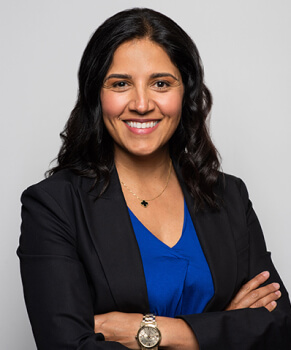
Dr. Rahima Hirji, ND
Doctor of Naturopathic Medicine
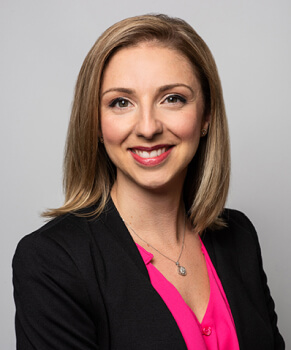
Dr. Deanna Walker, ND
Doctor of Naturopathic Medicine
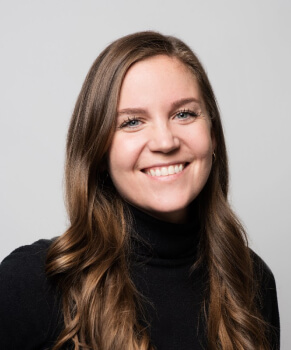
Dr. Heather Robinson, ND
Doctor of Naturopathic Medicine
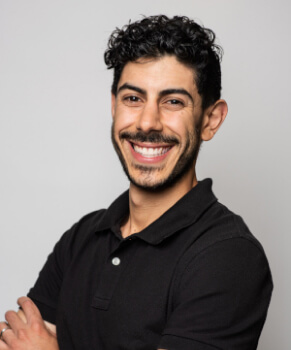
Dr. Emile Sabga, BSC (Hon), ND
Doctor of Naturopathic Medicine

Dominique Williams, MSW, RSW
Registered Social Worker
What Might Treatment Look Like?
Treatment depends on what we find.
For someone with confirmed hypothyroidism, treatment may include thyroid hormone replacement with appropriate monitoring. Your medication dose may need to be adjusted over time based on laboratory results, symptoms and your clinical situation.
For Hashimoto’s disease, care may include appropriate thyroid treatment when indicated, nutritional assessment, lifestyle support and monitoring of thyroid function. Having thyroid antibodies does not automatically mean thyroid medication is required if thyroid function is normal.
For hyperthyroidism or Graves’ disease, treatment may require conventional medical management and specialist involvement. Naturopathic or nutritional care, when appropriate, should complement rather than replace necessary medical treatment.
For someone whose thyroid tests are normal, the next step may be to investigate other explanations for their symptoms rather than continuing to pursue the thyroid as the cause.
Treatment is not necessarily about adding more interventions.
Sometimes the most appropriate plan is medication adjustment. Sometimes it is nutrition support. Sometimes it is further investigation. Sometimes it is referral.
And sometimes it is reassurance and monitoring.
What to Expect
We listen.
We’ll start with your symptoms, health history, previous testing and what you are hoping to understand or improve.
We assess the bigger picture.
We’ll look at your thyroid history alongside medications, nutrition, sleep, lifestyle and other relevant health factors.
We determine whether further investigation is necessary.
If updated blood work, imaging or another investigation could change your care, we’ll explain why. If your existing results are sufficient, we won’t recommend testing simply for the sake of testing.
We build an individualized plan.
Your plan may involve medication, nutrition, lifestyle changes, naturopathic care, monitoring or referral — depending on what is appropriate for you.
We reassess and adjust.
Thyroid care is often ongoing. We’ll review how you’re doing, interpret relevant follow-up results and adjust the plan when needed.
Frequently Asked Questions
Yes. Thyroid concerns can be assessed within the appropriate scope of care at Sage. Our nurse practitioners can provide medical assessment, order diagnostic testing and prescribe medication, while naturopathic doctors can assess and provide naturopathic care. Depending on your situation, collaboration with your family physician or referral to a specialist may be appropriate.
That depends on your symptoms, medical history and previous results. TSH is commonly used as an initial thyroid-function test, with free T4 and other tests added when indicated. Thyroid antibody testing may be useful when autoimmune thyroid disease is suspected.
You do not automatically need a large panel of thyroid tests.
Not necessarily. Ultrasound is primarily useful when there is a thyroid nodule, enlargement or another clinical reason to evaluate the structure of the thyroid. It is not a routine test for everyone with fatigue or other nonspecific symptoms.
Potentially, yes. Medication management and monitoring can be part of care through an appropriate Sage provider. We can also review your symptoms, relevant laboratory results, nutrition and other factors that may be affecting your overall health.
Medication changes should be made with an appropriate prescribing clinician rather than stopping or changing thyroid medication on your own.
Hashimoto’s is an autoimmune thyroid condition, and treatment depends on whether thyroid function is affected. When hypothyroidism is present, thyroid hormone replacement is the standard treatment.
Nutrition and lifestyle may be relevant to overall health, but they should not be presented as a substitute for indicated thyroid hormone treatment.
Thyroid symptoms overlap with many other conditions. If appropriately performed thyroid testing is normal, it is important to consider other potential explanations rather than assuming that the thyroid is still the cause.
A broader clinical assessment can help determine what should be investigated next.
Sage can help assess your history and determine whether further medical investigation is appropriate. Thyroid nodules may require ultrasound and, depending on their characteristics, fine-needle aspiration or specialist assessment.
A new, rapidly growing or concerning neck lump should receive appropriate medical evaluation.
Not necessarily. Supplements are not automatically part of thyroid care.
If a nutritional deficiency or another specific indication is identified, supplementation may be discussed. Any supplement should be considered in the context of your medications, medical conditions and individual needs.
Referral is sometimes the right next step. If your situation requires specialist assessment — for example, because of complex hyperthyroidism, concerning thyroid nodules or another issue outside the clinic’s appropriate scope — we can help coordinate care with your physician or specialist rather than trying to manage everything within one clinic.
You Don’t Have to Figure Out Your Thyroid Health Alone
Whether you have a thyroid diagnosis, abnormal blood work or symptoms that have left you wondering what is going on, the first step is understanding the clinical picture.
At Sage, we bring different healthcare perspectives together so that your care can be appropriately matched to your needs.
Use the right tools. At the right time. For the right patient.
Sage Natural Health offers integrated care in Kitchener, Cambridge, Oakville and Etobicoke, with virtual care available through select practitioners.