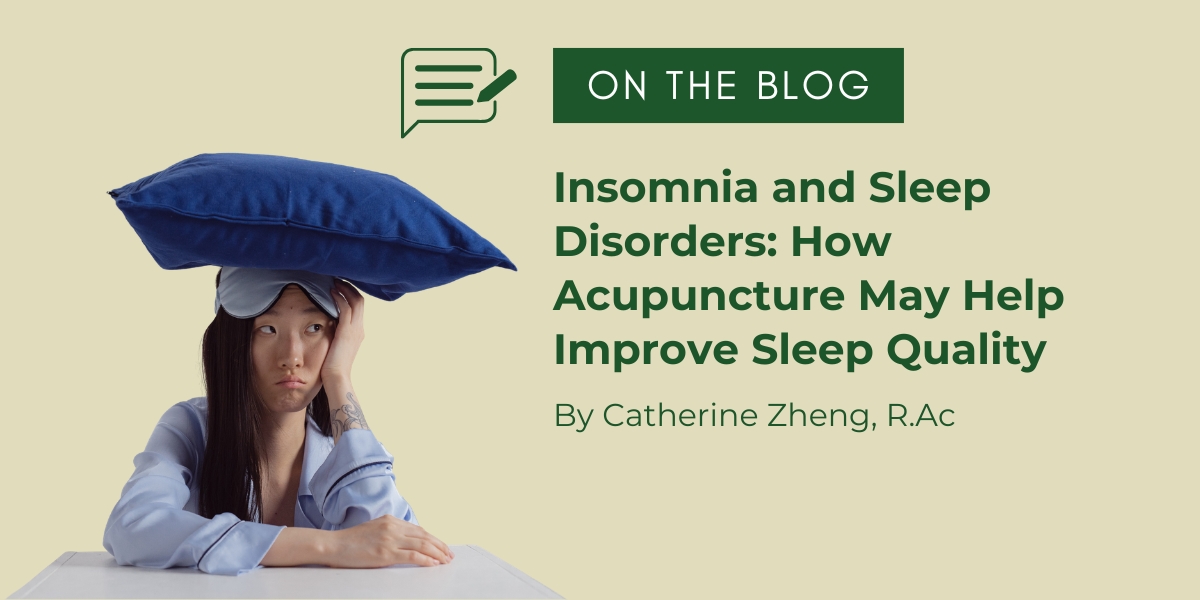
Do you find yourself lying awake at night, struggling to fall asleep or waking up feeling exhausted despite spending enough time in bed? You’re not alone. Insomnia is one of the most common sleep disorders affecting adults today, impacting energy levels, productivity, mood, and overall health.
Poor sleep doesn’t just leave you feeling tired—it can affect mental health, cardiovascular health, and quality of life. Understanding the signs of insomnia and addressing sleep issues early may help prevent more serious health concerns down the road.
What Is Insomnia?
Most healthy adults require approximately 7–8 hours of sleep each night to support optimal physical and mental health. Insomnia occurs when a person regularly experiences one or more of the following:
- Difficulty falling asleep
- Waking frequently during the night
- Waking too early and being unable to fall back asleep
- Restless or non-restorative sleep
- Feeling tired despite spending adequate time in bed
Even if you sleep for several hours each night, poor sleep quality can still affect your health. Some people experience vivid dreams, frequent awakenings, or feel exhausted when they wake up despite getting enough sleep. These may be signs that sleep quality is declining.
Common Signs Your Sleep May Be Suffering
Many people dismiss sleep problems as a normal part of a busy lifestyle. However, certain symptoms may indicate that your body is struggling to get the restorative sleep it needs:
- Needing caffeine every morning just to function
- Difficulty concentrating during the day
- Feeling irritable or emotionally overwhelmed
- Low energy despite adequate rest
- Frequent nighttime awakenings
- Trouble falling asleep due to stress or racing thoughts
If these symptoms persist, it may be worth seeking professional support.
The Connection Between Insomnia and Mental Health
Sleep and mental health are closely connected. Research has shown that insomnia often occurs alongside conditions such as anxiety, depression, and bipolar disorders.
People experiencing chronic stress or emotional challenges may notice:
- Reduced enjoyment in daily activities
- Persistent low mood
- Increased irritability
- Difficulty regulating emotions
- Ongoing sleep disturbances
Improving sleep quality may help support emotional well-being and overall resilience.
Other Health Conditions Linked to Chronic Insomnia
Long-term sleep deprivation may contribute to a variety of health concerns, including:
- High blood pressure
- Chronic fatigue
- Headaches and migraines
- Reduced immune function
- Increased stress levels
- Impaired cognitive performance
In many cases, poor sleep and chronic health conditions can reinforce one another, creating a cycle that becomes increasingly difficult to break.
Tips to Improve Sleep Quality Naturally
Simple lifestyle changes may help support better sleep:
Maintain Consistent Meal Timing
Try to eat dinner earlier in the evening and avoid heavy meals close to bedtime.
Limit Caffeine Intake
Avoid coffee, energy drinks, and strong tea later in the day, particularly after lunchtime if you’re sensitive to caffeine.
Avoid Intense Evening Exercise
While physical activity supports healthy sleep, vigorous exercise immediately before bedtime may make it harder to fall asleep.
Reduce Alcohol Consumption
Although alcohol may initially cause drowsiness, it can disrupt sleep quality and increase nighttime awakenings.
Practice Relaxation Techniques
Gentle movement practices such as Tai Chi, stretching, meditation, or deep breathing exercises may help calm the nervous system before bed.
Can Acupuncture Help with Insomnia?
Acupuncture is commonly used in Traditional Chinese Medicine (TCM) to support relaxation, reduce stress, and promote healthy sleep patterns.
Many individuals seek acupuncture when experiencing:
- Difficulty falling asleep
- Frequent nighttime waking
- Stress-related insomnia
- Poor sleep quality
- Fatigue associated with inadequate rest
At Sage clinic, we often see patients seeking a more natural and holistic approach to improving sleep. Acupuncture may be used as part of a comprehensive treatment plan that also addresses stress management, nutrition, lifestyle habits, and overall health.
How Does Acupuncture Work?
From a Traditional Chinese Medicine perspective, insomnia may be related to imbalances within the body’s energy systems. Specifically, caused by Yang energy floating and dispersing on the surface of the body. Acupuncture can stimulate specific acupoints in the body, guiding Yang energy to enter the internal organs and nourish them, thereby having the effect of allowing a person to enter deep sleep.
When Should You Seek Help for Insomnia?
Occasional sleepless nights are common. However, if sleep problems persist for several weeks, affect your daily functioning, or are impacting your mental or physical health, it’s important to seek professional guidance.
Early intervention may help prevent insomnia from becoming a chronic issue and improve your overall quality of life.
Take the First Step Toward Better Sleep
If you’re struggling with insomnia, poor sleep quality, or stress-related sleep disturbances, Acupuncture is a simple, highly effective, and side-effect free treatment for insomnia. For best results, please make an appointment before 3 pm.
Book a consultation with Catherine Zheng, R.Ac to discuss your sleep concerns and learn whether acupuncture may be right for you.
Catherine Zheng, R.Ac
Sage Naturopathic Clinic
Reference:
Internal Medicine of Traditional Chinese Medicine, Editor-in-Chief: Zhang Boyu, 1985 edition, Shanghai Scientific & Technical Publishers.