Where does Acne come from?
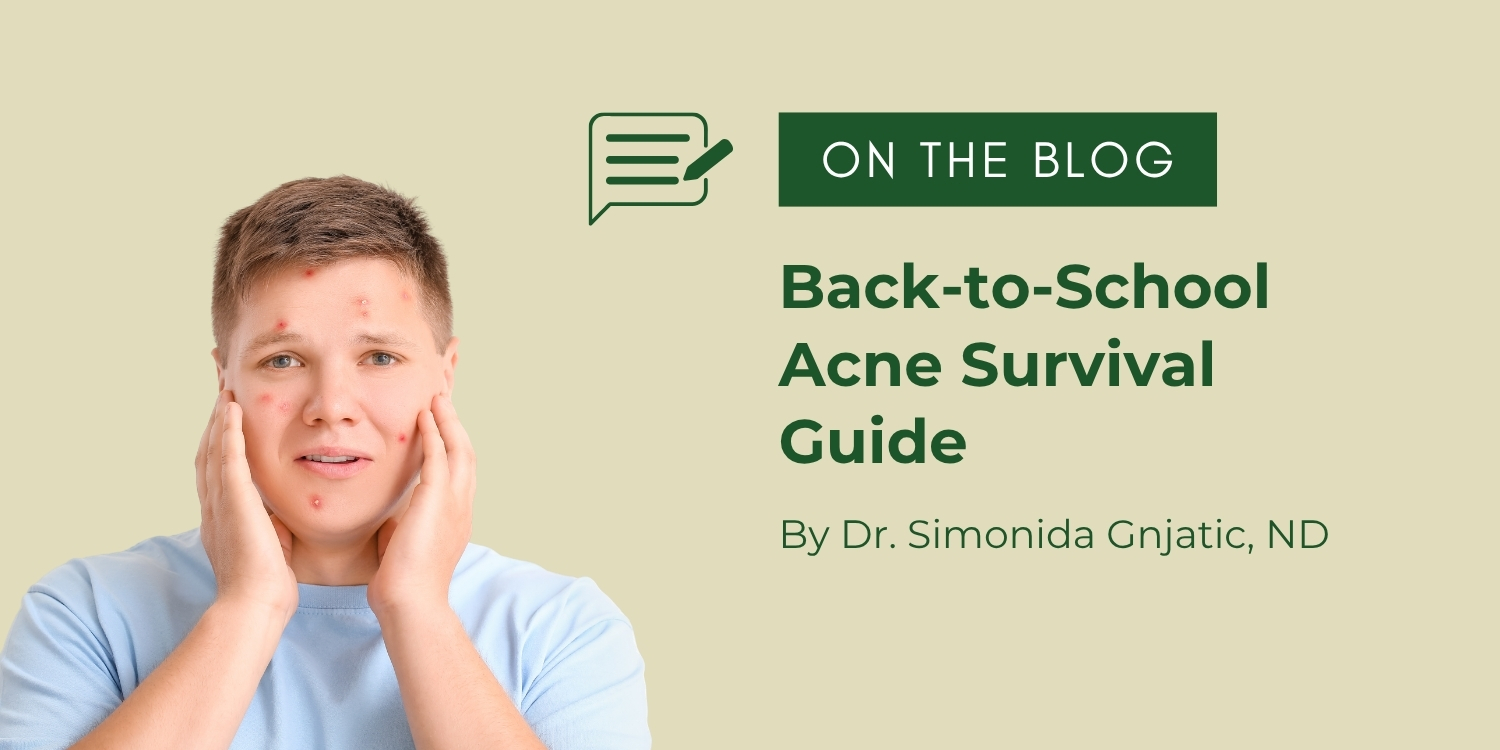
Acne, also known as acne vulgaris, is a chronic inflammatory skin condition that occurs when pores become clogged, most commonly on the face, chest, back, and upper arms.
Acne is particularly common during puberty because of an increase in androgens, hormones that are present in both males and females and play an important role in physical development. Androgens stimulate oil glands to produce sebum, a substance that helps moisturize and protect the skin and hair. When excess sebum and dead skin cells accumulate within a hair follicle, the follicle can become blocked, leading in acne.
There are several types of acne, ranging from non-inflammatory blackheads and whiteheads to inflammatory papules, pustules, nodules, and cysts. Depending on the severity and duration of acne, these lesions can lead to scarring, changes in pigmentation, and altered skin texture.
Who does Acne impact?
Acne most commonly affects adolescents, particularly males during puberty, but it can persist into adulthood or develop for the first time later in life. Adult acne is especially common in women, with more than half of women in their twenties experiencing acne.
What causes Acne?
Acne is more complicated than it may seem. It is rarely caused by one single factor and is usually the result of several interacting influences, including hormones, genetics, inflammation, sebum production, lifestyle, and the skin microbiome.
Hormones
Hormones play an important role in acne development. Androgens can increase sebum production and influence the environment within the hair follicle. Hormonal changes associated with conditions such as Polyendocrine Metabolic Ovarian Syndrome (previously known as PCOS), insulin resistance, and the menstrual cycle may contribute to acne development or flare-ups. Approximately 70% of women notice that their acne becomes worse in the days leading up to their period.
Genetics
Genetics can also influence how likely someone is to develop acne and how severe it may become. Individuals with a family history of acne may have a three times greater likelihood of developing it themselves. Differences in sebum production and composition, skin barrier function, and inflammatory responses can all contribute to acne susceptibility.
The Skin Microbiome
Another important factor is Cutibacterium acnes, a normal bacterium found on healthy skin. In acne-prone skin, changes in sebum, the follicle environment, and the skin’s immune response can allow certain strains of C. acnes to contribute to inflammation. This can result in more redness, swelling, and tenderness around acne lesions.
In contrast to the previous factors, there are several modifiable risk factors that can influence acne, including diet, gut health, movement, stress, sleep, and skincare habits.
How can I treat my acne?
Acne can significantly affect one’s confidence, mood, and quality of life over a long period of time. The good news is that there are many ways to support healthier skin. Here are some simple strategies to consider as you head into a new school year.
Movement & Diet
Daily movement supports overall health by promoting healthy stress levels, quality sleep, blood sugar regulation, and digestion. While exercise alone does not treat acne, staying active can support the body’s ability to manage factors that contribute to acne.
Diet can also play a role in acne development. Building meals around protein, fibre, healthy fats, and minimally processed carbohydrates can help support balanced blood sugar levels and overall metabolic health. Research suggests that high-glycemic foods – such as refined grains, baked goods, processed meals, and sweetened snacks – as well as higher dairy consumption may be associated with acne development.
Adequate fibre and fluid intake can also support healthy digestion and regular bowel movements. Aim to stay well-hydrated throughout the day, with approximately 2-3 litres of water daily as a general guideline, depending on your individual needs.
If you’re unsure where to start, you can book an appointment with a nutritionist or dietitian at our clinic for individualized nutrition guidance.
Internal Support
There is no single supplement that works for everyone with acne. Depending on the individual, certain nutrients and supplements may provide additional support. For example, zinc plays an important role in skin health and wound healing, while omega-3 fatty acids may help support a healthy inflammatory response. Probiotics may also influence the gut-skin connection, and vitamin D plays an important role in immune and skin barrier function. Your naturopathic doctor can help determine which options may be appropriate for you and whether additional testing is warranted.
Hormonal changes can be an important underlying contributor to acne, particularly when breakouts follow a predictable pattern or develop alongside other signs of hormonal imbalance. Hormone testing through bloodwork may help identify whether hormonal factors are contributing to your acne.
External Treatment
Acupuncture may be used as a complementary therapy to support overall wellbeing and inflammation, while Microneedling is most commonly used to improve acne scarring and uneven skin texture once active acne is under control.
Lifestyle Habits
One of the most overlooked aspects of acne is what we do every day. Are you keeping your hair and oily hair products away from acne-prone areas? Are you changing your pillowcases regularly? Are you gently cleansing your face in the morning and at night? When it comes to acne-prone skin, less is often more. For additional guidance on choosing clean skincare products, check out EWG Skin Deep.
Stress and poor sleep can also influence skin health. Finding healthy ways to manage stress – whether through spending time with friends and family, reading, exercise, yoga, meditation, or other forms of self-care – can support your overall wellbeing. Teens generally need 8-10 hours of sleep per night, while most adults need approximately 7-9 hours. Prioritizing consistent, restorative sleep gives your body and skin time to recover.
Final Takeaway
In our clinic, we often see patients struggling with acne, but that doesn’t mean you have to. We help patients understand the different factors that may be contributing to their acne and develop individualized treatment plans based on their skin, hormones, nutrition, lifestyle, and overall health.
Whether you’re heading back to school, starting a new job, or simply want to feel more confident in your skin, you don’t have to figure it out alone. Book a FREE discovery call or an initial visit with Dr. Sim at our Kitchener or Cambridge location to start your skin health journey today.
Book a discovery call or initial consultation with Dr. Simonida to learn more.
Dr. Simonida Gnjatic, ND
Sage Naturopathic Clinic
References
- Freeman AM, Acevedo LA, Pennings N. Insulin Resistance. [Updated 2023 Aug 17]. In: StatPearls [Internet]. Treasure Island (FL): StatPearls Publishing; 2026 Jan-. Available from: https://www.ncbi.nlm.nih.gov/books/NBK507839/
- InformedHealth.org [Internet]. Cologne, Germany: Institute for Quality and Efficiency in Health Care (IQWiG); 2006-. Overview: Acne. [Updated 2026 Jan 14]. Available from: https://www.ncbi.nlm.nih.gov/books/NBK279211/
- Kaur K, Kaur A, Kalsi V, Kasav S. Keratosis Pilaris Unveiled: Insights into its Origin, Management Strategies and Research Frontiers. Indian J Dermatol. 2025 Sep-Oct;70(5):267-274. doi: 10.4103/ijd.ijd_51_25. Epub 2025 Sep 1. PMID: 40918705; PMCID: PMC12413161.
- Sutaria AH, Masood S, Saleh HM, et al. Acne Vulgaris. [Updated 2023 Aug 17]. In: StatPearls [Internet]. Treasure Island (FL): StatPearls Publishing; 2026 Jan-. Available from: https://www.ncbi.nlm.nih.gov/books/NBK459173/
- Tan AU, Schlosser BJ, Paller AS. A review of diagnosis and treatment of acne in adult female patients. Int J Womens Dermatol. 2017 Dec 23;4(2):56-71. doi: 10.1016/j.ijwd.2017.10.006. PMID: 29872679; PMCID: PMC5986265.